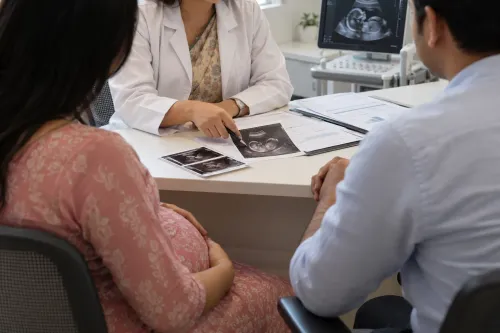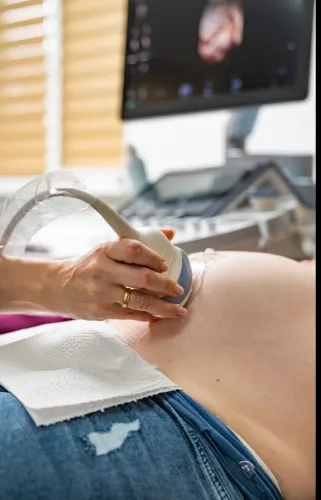
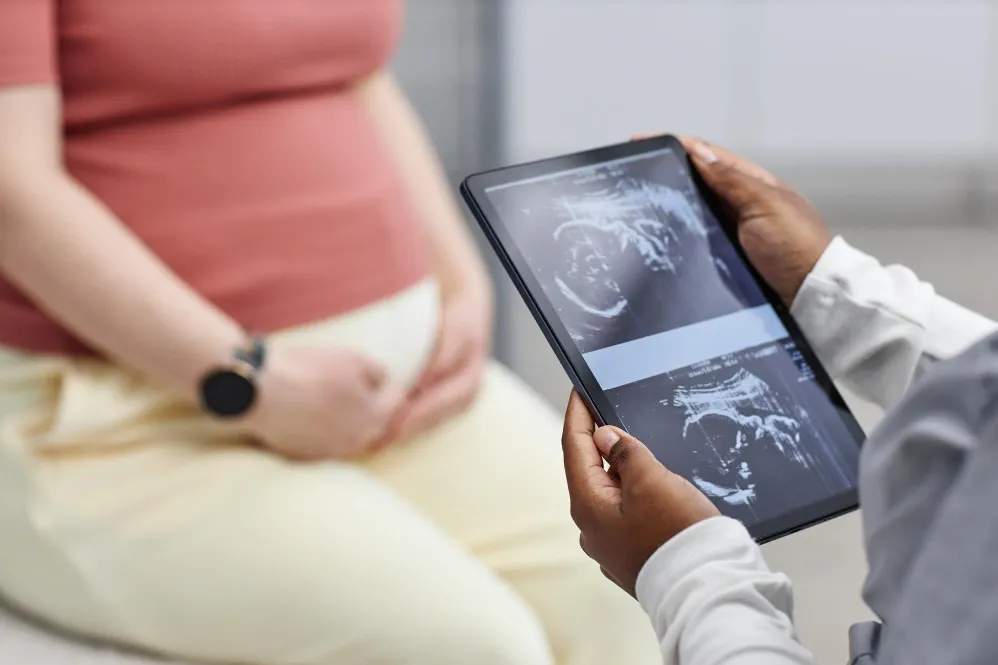
The term high-risk pregnancy can sound alarming, but it covers a wide range of situations. Some pregnancies are classified as higher risk because of a maternal medical condition, previous obstetric history, fetal finding, multiple pregnancy, or complication that develops during pregnancy.
A High Risk Pregnancy Scan helps clinicians obtain information relevant to the specific concern and decide what level of monitoring is appropriate.
What Can Make a Pregnancy Higher Risk
Factors vary considerably between patients. They may include maternal hypertension, diabetes, certain autoimmune or medical conditions, previous pregnancy complications, multiple gestation, fetal growth concerns, placental abnormalities, or an unexpected prenatal screening result.
Maternal age and previous obstetric history may also influence risk assessment in some circumstances.
Having one risk factor does not predict that a complication will definitely occur. Risk classification is primarily used to guide appropriate surveillance and care.
How Is the Scan Different
A High Risk Pregnancy Scan is not a single standardized test. The examination is tailored to the clinical question.
For example, one patient may need detailed fetal anatomy assessment, while another requires serial growth scans. Selected pregnancies may need Doppler studies, cervical assessment, amniotic fluid evaluation, or closer surveillance of multiple fetuses.
The scan schedule may therefore change as pregnancy progresses.
What Should Patients Bring
Bring previous ultrasound reports, prenatal screening results, laboratory reports, medication details, and relevant records from previous pregnancies.
These documents can help the specialist identify changes over time instead of viewing the current scan in isolation.
Patients should also mention new symptoms or changes in their medical condition. Ultrasound is valuable, but maternal symptoms and clinical examination remain important parts of pregnancy care.
What Are the Benefits of Closer Surveillance
Appropriate monitoring can help clinicians recognize changes that may require additional assessment or modification of the pregnancy plan.
Potential benefits include:
- Tracking fetal growth over time
- Evaluating placental and amniotic fluid findings
- Monitoring selected blood-flow patterns
- Assessing known fetal findings
- Coordinating maternal and fetal care
- Helping plan further investigations
- Supporting decisions about follow-up and delivery
The objective is appropriate surveillance, not simply performing more scans.
Are There Risks
Ultrasound itself is non-invasive and does not use ionizing radiation. Medical ultrasound should still be used appropriately and for a defined clinical purpose.
There are also limitations. A scan cannot predict every complication, and a normal result at one point does not guarantee that no issue will develop later. This is one reason high-risk pregnancy care may involve serial assessment rather than reliance on a single examination.
Recovery and Follow-Up
There is generally no recovery time following an ultrasound examination. Follow-up depends on what the scan shows and why the pregnancy is being monitored.
Some women return for another scan after a defined interval. Others may need obstetric review, laboratory investigations, fetal monitoring, genetic counselling, or additional specialist assessment.
Women seeking high-risk pregnancy evaluation in Nagpur can consult Dr. Kiran Bakane for maternal and fetal assessment based on their individual history and current findings.
Frequently Asked Questions
Does high risk mean complications are inevitable
No. It indicates that closer assessment may be appropriate because certain factors can increase the likelihood of complications.
Will I need scans every week
Not necessarily. Frequency varies according to the underlying condition, gestational age, and findings.
Can I continue routine maternity care
Many women continue coordinated obstetric care alongside specialist monitoring. The exact arrangement depends on individual circumstances.
Is bed rest needed after a high-risk pregnancy scan
The scan itself does not usually require bed rest. Activity restrictions, if required, are based on the underlying pregnancy condition rather than the ultrasound.
Keywords