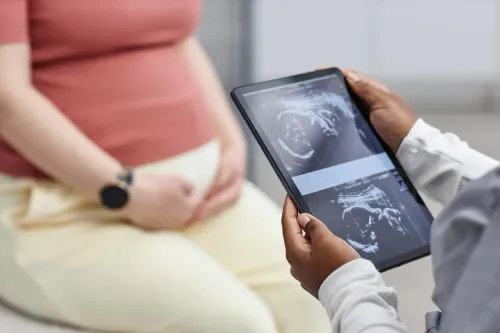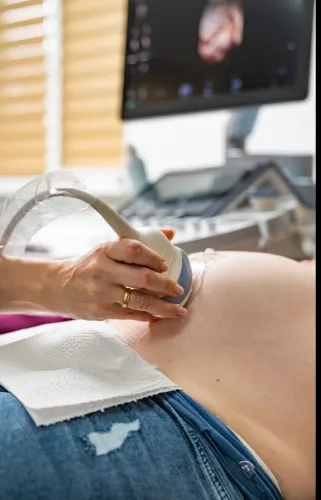

The availability of prenatal genetic tests has expanded considerably, but more testing does not automatically mean better care. Fetal Genetic Testing should be selected according to the clinical question, pregnancy stage, family history, ultrasound findings, and whether parents need screening information or diagnostic confirmation.
Understanding these differences can help families avoid treating every genetic test as interchangeable.
Start With the Clinical Question
A clinician first needs to understand why testing is being considered.
Perhaps a prenatal screening test has indicated an increased chance of a chromosome condition. An ultrasound may have identified a structural finding. One parent may carry a known genetic variant, or a previous pregnancy may have been affected by an inherited disorder.
Each scenario can require a different testing strategy.
Screening Is Not the Same as Diagnosis
Non-invasive prenatal screening using maternal blood can estimate the chance of selected chromosome conditions. It is a screening approach and does not provide definitive diagnosis.
Diagnostic Fetal Genetic Testing generally requires fetal or placental genetic material obtained through procedures such as CVS or amniocentesis.
The laboratory analysis performed on that sample can then be selected according to the suspected condition.
This distinction matters because parents should not make major pregnancy decisions based on misunderstanding a screening result as a confirmed diagnosis.
How Is the Appropriate Test Selected
The specialist may consider:
- Gestational age
- Ultrasound findings
- Previous screening results
- Family history
- Previous pregnancy history
- Known genetic diagnoses in relatives
- Parental carrier results
- Type of condition suspected
Genetic counselling can be particularly valuable before broad or complex testing because some investigations can identify uncertain or unexpected findings.
What Does the Procedure Involve
If blood-based screening is selected, maternal blood is collected and no procedure is performed on the pregnancy itself.
When diagnostic testing is required, CVS may be used earlier in pregnancy to obtain placental tissue. Amniocentesis, usually performed later, collects amniotic fluid under ultrasound guidance.
The exact procedure, preparation, and laboratory test should be explained before consent.
Recovery and Risks
Maternal blood sampling generally requires no pregnancy-related recovery.
After CVS or amniocentesis, mild cramping can occur, and individualized activity guidance is provided. Significant pain, heavy bleeding, fluid leakage, fever, or other concerning symptoms require medical attention.
Invasive procedures carry a small procedure-related risk of pregnancy loss as well as other uncommon complications. These risks should be discussed in the context of the individual procedure.
Benefits and Limitations
Appropriately selected testing can clarify the likelihood or diagnosis of certain genetic conditions and support pregnancy planning.
Yet no genetic test can exclude every possible medical condition. A normal chromosome result does not mean that every genetic disorder has been excluded, and genetic testing does not replace detailed fetal ultrasound.
For families in Nagpur, Dr. Kiran Bakane can review prenatal screening and ultrasound findings before discussing whether further genetic evaluation is clinically useful.
Frequently Asked Questions
Is a blood test enough to diagnose Down syndrome
No. Blood-based prenatal screening estimates probability. A diagnostic procedure may be considered when confirmation is required.
Does normal genetic testing guarantee a healthy baby
No. Tests examine defined genetic or chromosomal conditions and cannot exclude every fetal health problem.
Can I choose the broadest genetic test available
The broadest test is not automatically the most appropriate. Test selection should be driven by clinical findings and pre-test counselling.
Will an abnormal ultrasound always produce an abnormal genetic result
No. Structural abnormalities can have genetic and non-genetic causes, and the relationship depends on the particular finding.
Keywords