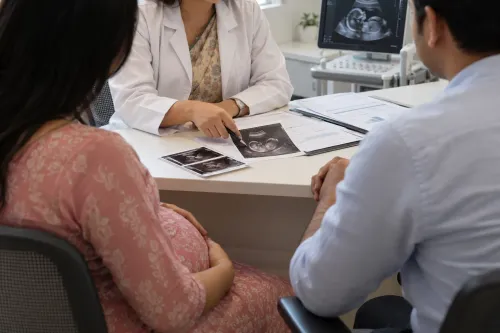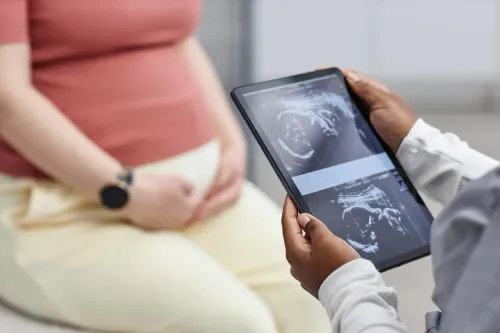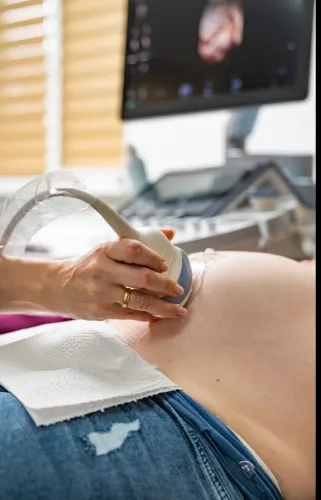

An unexpected prenatal screening result can leave parents with more questions than answers. The first priority is understanding what the result actually means. Screening, ultrasound findings, and diagnostic tests provide different types of information, and confusing them can lead to unnecessary anxiety.
A Prenatal Diagnosis Specialist helps bring these pieces together and determine whether further evaluation is appropriate.
Screening and Diagnosis Are Different
A screening test estimates the chance of certain conditions. It does not usually provide a definitive diagnosis.
Diagnostic testing is designed to answer a more specific question and may involve procedures such as chorionic villus sampling or amniocentesis when clinically appropriate.
This difference is especially important after a higher-chance screening result. A higher chance does not mean the fetus definitely has the condition, while a lower-chance result cannot exclude every genetic or structural disorder.
When Specialist Evaluation May Help
A Prenatal Diagnosis Specialist may become involved following:
- An increased-risk screening result
- An ultrasound abnormality
- Increased nuchal translucency
- A previous pregnancy affected by a genetic condition
- A relevant family history
- Suspected fetal structural abnormality
- Parental carrier status for selected genetic disorders
- A need to discuss invasive diagnostic testing
The specialist reviews the entire clinical picture before recommending the next step.
What Happens During Assessment
Expect a detailed review of gestational age, previous scans, screening reports, medical history, family history, and the specific reason for referral.
Further ultrasound may be required to evaluate fetal anatomy or clarify an earlier finding.
Genetic counselling may also be offered when the decision involves chromosomal or inherited conditions. The purpose is to help parents understand available tests, what each test can detect, limitations, possible outcomes, and the implications of different results.
Understanding Diagnostic Procedures
If diagnostic testing is appropriate, the exact procedure depends partly on gestational age and the clinical question.
Chorionic villus sampling obtains placental tissue for testing and is typically performed earlier in pregnancy than amniocentesis. Amniocentesis obtains a sample of amniotic fluid later in pregnancy.
Both are invasive procedures and carry small procedure-related risks. Individual counselling is therefore essential before proceeding.
Recovery and Aftercare
A specialist consultation, counselling session, and ultrasound generally require no recovery period.
After an invasive prenatal procedure, patients may be advised to limit strenuous activity for a short period and follow specific instructions from their treating team. Mild cramping can occur, while significant pain, heavy bleeding, fluid leakage, fever, or other concerning symptoms require prompt medical assessment.
Exact aftercare instructions should come from the clinician performing the procedure.
Why Specialist Interpretation Matters
Prenatal diagnosis involves more than ordering the maximum number of tests. The clinically useful question is which investigation can provide meaningful information in a particular pregnancy.
For families in Nagpur, access to coordinated maternal and fetal medicine care can reduce fragmented decision-making. Dr. Kiran Bakane can review screening findings and discuss appropriate prenatal diagnostic pathways based on individual circumstances.
Frequently Asked Questions
Does an abnormal screening result confirm a genetic condition
No. Screening estimates probability. Diagnostic testing may be required when confirmation is clinically appropriate.
Do all ultrasound abnormalities require genetic testing
No. The significance depends on the type of finding, whether other findings are present, pregnancy history, and specialist assessment.
Can prenatal diagnosis identify every genetic disorder
No. The conditions detected depend on the test selected, and no single test identifies every possible genetic disorder.
How quickly should I seek assessment
Timing can matter because prenatal tests are performed during particular gestational windows. Discussing an unexpected result promptly allows available options to be reviewed without unnecessary delay.
Keywords